Phoenix Photographer for Lifestyle Shoots
Enhance Your Brand: The Power of Professional Photography in Business Growth
In today's competitive market, the importance of professional photography is undeniable. Companies that prioritize high-quality visuals frequently benefit from improved reputations and greater consumer confidence. Visual narratives serve a critical function in establishing genuine connections with target audiences. However, not all images serve the same purpose. Learning how to identify the right photographer and apply visuals purposefully can yield remarkable results. What approaches can companies adopt to fully leverage the power of their visuals?
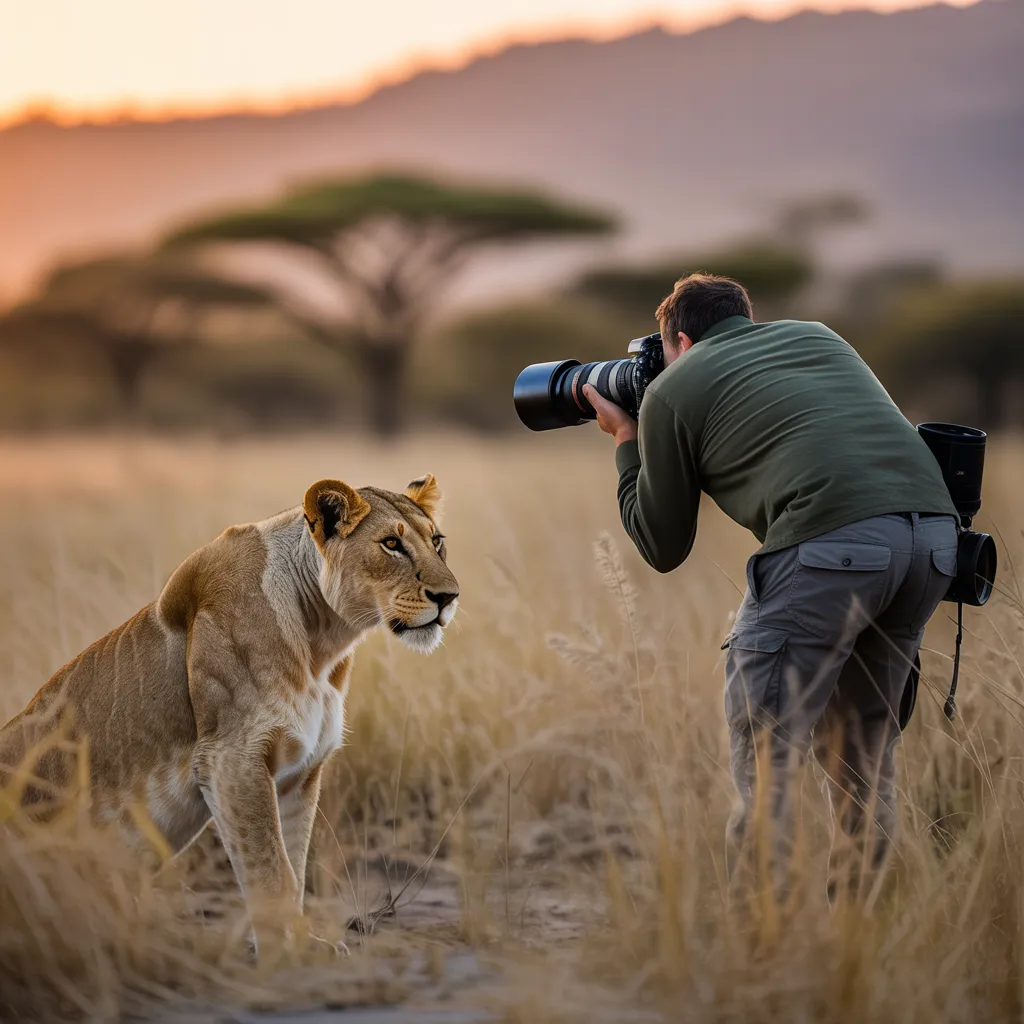
Reasons Why Professional Photography Deserves Your Attention
Why should businesses invest in professional photography? The key reason comes down to the impact of first impressions. Premium-quality photos can significantly elevate a brand's reputation, reflecting a polished and detail-oriented approach. In today's image-focused commercial environment, potential customers often judge a business based on its visual content. Professional photography showcases products and services in their best light, drawing in and holding the attention of potential customers.
Additionally, cohesive and polished visuals help establish brand awareness and recognition. Being authentic is crucial; images taken by professionals can develop an engaging narrative that connects with viewers. This commitment can generate enhanced interaction across various platforms, from online platforms to social media networks.
In the end, companies that prioritize professional photography emerge as frontrunners in their field, cultivating confidence and reliability. In an era where visual content reigns supreme, the demand for high-quality visuals is not just advantageous—it's vital for long-term success.
How Visual Storytelling Shapes Brand Engagement
In the modern competitive environment, visual storytelling has emerged as a powerful tool for brand connection. By weaving narratives through images, brands can establish deep emotional ties with their followers, making their messages more relatable and memorable. This methodology surpasses standard promotional techniques, permitting organizations to convey their principles, objectives, and identity through powerful visuals.
Effective visual storytelling grabs attention and encourages meaningful engagement, inspiring audiences to connect with the brand. It enables businesses to showcase their products and services in context, demonstrating how they improve daily living. Through carefully curated imagery, brands can highlight their unique selling propositions and distinguish themselves within their industry.
In addition, visual storytelling enhances social media engagement, as distributable content boosts exposure and stimulates audience engagement. By utilizing premium visuals that connect with intended audiences, companies can build loyalty and foster engagement, ultimately contributing to long-term business success.
How High-Quality Images Build Consumer Trust
High-quality images serve as a cornerstone for establishing consumer trust in today's digital marketplace. They provide a graphic illustration of a brand's identity, conveying professionalism and attention to detail. When consumers come across sharp, carefully crafted images, they are inclined to regard the brand as authentic and reputable. This understanding is essential, especially in an environment saturated with rivals and misleading content.
Moreover, top-tier images greatly enhance the broader user experience, turning websites and social media platforms into more engaging spaces. They empower prospective buyers to visualize products or services, nurturing a sense of recognition and comfort. As buyers increasingly depend on visual elements to guide their purchasing choices, companies that invest in professional imagery set themselves apart from the competition.
Fundamentally, the significance of superior quality images goes far beyond visual appeal; they establish a robust foundation for reliability, inspiring customer loyalty and fueling business success.
Tips for Choosing the Ideal Photographer
Choosing the best photographer is essential for matching visual content with a company's identity. It entails carefully defining the company vision, evaluating the quality of the photographer's previous work, and considering budget options. By addressing these key factors, businesses can reach informed decisions that strengthen their visual identity.
Clarify Your Brand Vision
A well-defined brand identity serves as the foundation for selecting the most suitable photographer. Organizations must first establish their identity, values, and target audience, as this understanding shapes the photography style needed to clearly express their message. Recognizing whether the business leans towards a contemporary, minimalist style or a lively, engaging aesthetic is critical. Additionally, defining specific goals—such as enhancing online presence or creating impactful marketing materials—will guide the choice of a photographer whose capabilities matches these objectives. By recognizing the intended emotional impact from the target market, organizations can ensure they identify a photographer who can embody the core of their brand. This deliberate coordination significantly strengthens the overall effectiveness of the brand imagery.
Assess Portfolio Quality
When reviewing photographers, the quality of their portfolio serves as a vital indicator of their capabilities. A thorough portfolio showcases a variety of styles and subjects, allowing potential clients to assess the photographer's versatility and technical skills. It is important to look for consistency in image quality, composition, and lighting, as these aspects reflect the photographer's dedication to detail. Furthermore, examining past work relevant to the particular industry can offer insight into how well the photographer understands branding and marketing needs. Testimonials or case studies accompanying the portfolio may additionally strengthen credibility. At the end of the day, a carefully curated portfolio not only showcases artistic vision but also indicates the photographer's ability to deliver results that align with a business's objectives.
Explore Budget-Friendly Options
Reviewing portfolio standards lays the basis for finding the most suitable photographer, but budget considerations play an equally important role in the decision-making process. Organizations need to set a well-defined budget that corresponds to their marketing goals. This budget should account for not only the photography fees but also other potential costs, such as travel, editing, and licensing. Comparing multiple photographers allows businesses to find a balance between quality and affordability. It is essential to communicate needs and expectations upfront to prevent unforeseen costs. Moreover, some photographers could provide bundled packages or reduced rates for bigger assignments, creating more opportunities for budget-conscious businesses. At the end of the day, thoughtful fiscal planning can produce a productive partnership that enhances brand image without exceeding the budget.
Utilizing Images Efficiently Across Platforms
Utilizing the strength of images can substantially enhance a company's presence across multiple platforms. Strategic image utilization requires an understanding of the distinct characteristics of each platform. For instance, striking, compelling visuals work well on social media, driving user participation and reach. In contrast, clean, professional images are vital for websites and e-commerce platforms, where they foster trust and credibility.
In addition, a consistent visual style—color schemes, fonts, and image quality—solidifies brand identity. Optimizing images for various formats, such as square for Instagram and landscape for Facebook, guarantees ideal display and viewer experience. Furthermore, using images in email marketing can significantly boost open and click-through related content rates.
Case Studies: What Successful Brands Can Teach Us
Top businesses demonstrate the substantial effect of professional photography on commercial performance. As an example, a prominent cosmetics company transformed its marketing approach by leveraging high-quality images that highlighted its product line in authentic environments. This shift resulted in a 30% improvement in e-commerce sales over a six-month period, proving the effectiveness of visually appealing content.
Comparably, a luxury hospitality brand used professional photography to showcase its distinctive amenities and stunning views. The remarkable visuals not only enhanced their website but also increased engagement on social media, generating a 50% rise in bookings made directly.
One more instance highlights a apparel company that prioritized a cohesive visual identity through high-quality photo productions. This strategy not only strengthened its brand identity but also cultivated a dedicated following, evidenced by a 40% rise in customer retention rates. These case studies demonstrate how the deliberate application of expert photo production can considerably improve brand recognition and fuel commercial growth.
Common Questions and Answers
How Much Should I Budget for Professional Photography Services?
Planning a budget for professional photography usually spans from $500 to $5,000, depending on factors like project complexity, photographer experience, and usage rights. Businesses should assess their needs to determine an appropriate budget within this range.
Is It Possible to Use Stock Photos Rather Than Hiring a Professional?
Utilizing stock images offers an affordable solution to bringing in a professional, but they may lack authenticity and uniqueness. Businesses should weigh the benefits of originality against cost considerations when determining imagery choices.
How Often Should I Update My Brand Images?
Companies need to refresh their visuals every 1-2 years to reflect current trends and maintain relevance. Frequent updates ensure the visual presence up to date, engaging audiences and strengthening brand loyalty through reliable, premium visuals.
Which Types of Photography Work Best for My Industry?
Lifestyle, product, and event photography are vital for most industries. Organizations should concentrate on professional-grade images that engage their desired demographic, demonstrating authenticity and professionalism to improve customer engagement and brand perception successfully.
What Are the Ways to Measure Photography's Impact on My Brand?
To measure photography's impact on a brand, one can review engagement metrics, track conversion rates, solicit client feedback, and measure brand recognition using surveys, ultimately determining how photographic content impacts overall brand performance.